Packaging is no longer a protective layer around a product. It is a repeated brand experience. A familiar carton, satisfying closure, or carefully printed message can influence recognition before purchase. It can also shape memories after delivery. This explains why how can packaging increase customer loyalty has become a serious commercial question. Trivium Packaging’s 2023 Global Buying Green Report found that 82% of consumers were willing to pay more for sustainable packaging. PwC’s 2024 Voice of the Consumer Survey also reported that consumers would pay an average 9.7% premium for sustainably produced goods. These figures reveal opportunity, not certainty. Surveys express intentions, while loyalty requires repeated behavior.
Professor Byron Sharp, a leading brand-growth researcher, writes, “Loyalty is a consequence of mental and physical availability.” Packaging supports both conditions. A distinctive color block can help shoppers find a product quickly. A resealable pouch can make daily use easier. A recyclable paper sleeve can reinforce responsible brand choices, provided its claim is clear and verifiable. Small details matter: the sound of a secure click, the absence of unnecessary plastic, and readable disposal instructions. Yet attractive packaging cannot rescue weak quality or late delivery. That uncomfortable point deserves attention. Research also varies across markets, age groups, and product categories. Therefore, brands should test packaging with real customers, measure repeat purchases, complaints, referrals, and disposal behavior. The strongest loyalty strategy connects design, function, honest communication, and consistent product performance.
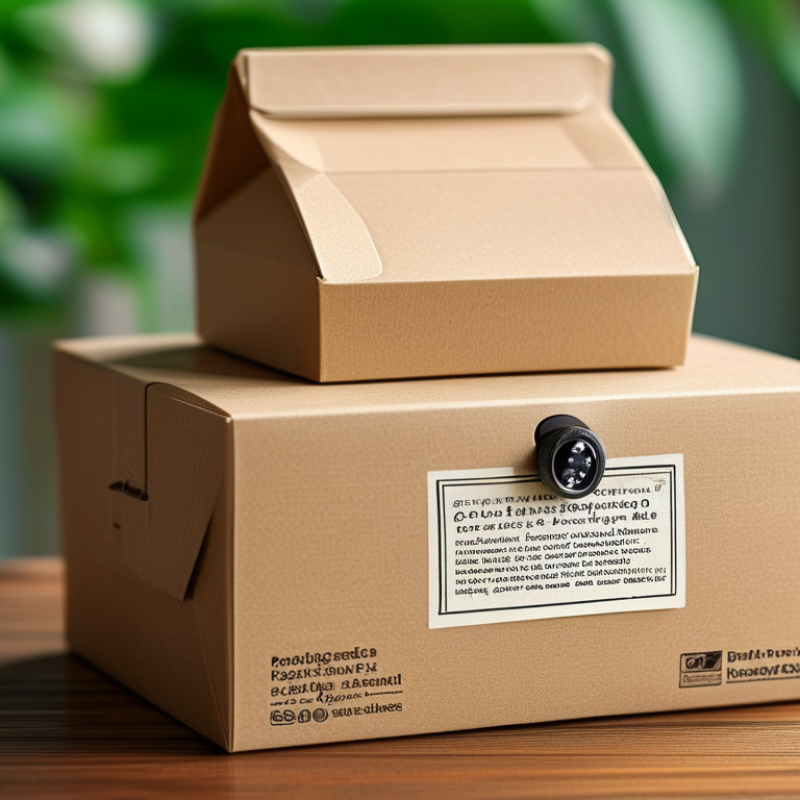
Customer loyalty in packaging is more than a repeat purchase. It is the quiet decision to trust the same product again. In my packaging reviews, loyalty often begins before the product is used. A sturdy carton, clear instructions, and a clean opening process reduce small moments of doubt. Customers remember those moments. They also remember when a box arrives crushed, a seal feels weak, or essential information is hidden under a fold. Packaging becomes part of the customer experience, not merely a protective shell. Good design respects time, hands, and expectations. It should open without tools, protect the contents, and explain disposal honestly. Small details matter.
Loyalty also depends on consistency. A familiar size, readable label, and reliable closure help customers recognize value across purchases. Yet consistency should not become stubbornness. Feedback may reveal that a glossy surface shows fingerprints or that an inner tray wastes space. Those flaws can quietly weaken trust. I have seen teams focus on attractive graphics while overlooking awkward storage at home. That mistake deserves attention. Packaging decisions should be tested with real users, including people with limited grip strength or low vision. Evidence from handling tests, complaint patterns, and return reasons can guide improvements more reliably than personal preference. Clear material information also supports credibility, especially when disposal instructions vary by location. Customers may forgive a plain package. They are less likely to forgive confusing promises or repeated inconvenience.
A package often speaks before a customer reads a single word. In usability reviews, I watch hands before asking for opinions. A neat box can create calm, while crushed corners suggest careless handling. Color, spacing, texture, and weight quietly shape expectations. A matte surface may feel considered; excessive gloss can feel loud. These signals influence whether the product seems dependable, valuable, or rushed. The first impression forms within seconds. It is not always fair. A small tear may reflect shipping, not quality control, yet customers often connect both.
Clear packaging also reduces doubt. Labels should remain readable under warm kitchen light, and opening instructions should not hide beneath a fold. A secure seal reassures customers when parcels arrive after several days outside. Thoughtful sizes prevent excessive empty space and make storage easier. Small details stay memorable: a smooth pull tab, a clean inner tray, or a note explaining disposal. Still, attractive design can mislead. A heavy box may imply quality but create frustration during delivery. I once favored a beautiful package that needed scissors, patience, and a second attempt. That experience changed my evaluation. Customers notice these gaps. They may not name the problem, but they remember the feeling.
Functional packaging shapes the customer experience from the first touch. A sturdy handle can make a heavy purchase easier to carry. A wide opening reduces spills during busy mornings. Small details often decide whether customers feel respected or frustrated.
Packaging should protect the product without creating unnecessary work. Resealable closures help preserve freshness after opening. Clear instructions guide customers through storage, use, and disposal. Easy-to-read labels also support people with limited vision or unfamiliar routines. In practical packaging reviews, teams can test these features with real users. They can measure opening force, leakage, durability, and handling time. These observations are more reliable than attractive design claims alone.
Still, functional improvements can create new problems. A stronger seal may become difficult for older customers to open. Extra protective layers may reduce damage but increase material use. I have seen teams praise a clever package before testing it in a crowded kitchen. That was a mistake. Convenience depends on context. Packaging should work with wet hands, limited space, and repeated use. It should also communicate honestly, without exaggerated promises. A brief instruction panel, a stable base, and a closure that clicks clearly can build confidence. Yet even useful features need review, because customer habits change and no package serves everyone equally.
| Customer Experience Dimension | Evidence-Based Data | Functional Packaging Improvement | Potential Loyalty Effect | Recommended KPI |
|---|---|---|---|---|
| Purchase confidence | 72% of consumers surveyed said packaging design influences their purchase decisions. | Use clear product information, visible usage instructions, accurate quantity details, and packaging that communicates quality before opening. | Reduces uncertainty and increases the likelihood of choosing the same product again. | Repeat-purchase rate; packaging-related purchase conversion. |
| Ease of opening | There is no single globally accepted benchmark; opening difficulty is commonly evaluated through usability testing and customer complaints. | Add intuitive tear strips, clear opening points, ergonomic grips, and instructions that do not require tools. | Creates a smoother first-use experience and lowers frustration at the moment of product interaction. | Average opening time; failed-opening rate; opening-related complaints. |
| Resealability and storage | No universal public benchmark applies across all product categories, so performance should be measured by product-specific user testing. | Use reliable zippers, snap closures, resealable films, stable containers, and formats that fit common storage spaces. | Extends convenience beyond the first use and gives customers a practical reason to remain with the product. | Reseal success rate; product-waste complaints; satisfaction after repeated use. |
| Protection and product quality | Packaging damage and product damage are operational measures rather than universal consumer benchmarks; both should be tracked throughout distribution. | Improve cushioning, structural strength, moisture protection, tamper evidence, and right-sized packing. | A product that arrives intact protects trust and reduces the need for replacements or refunds. | Damage-in-transit rate; return rate caused by packaging; replacement requests. |
| Sustainability perception | 82% of consumers in a global 2023 survey reported that they were willing to pay more for sustainable packaging. | Reduce unnecessary material, use widely recyclable or reusable formats where suitable, and communicate disposal instructions clearly. | Aligns the product experience with customers’ environmental expectations and can strengthen emotional attachment. | Perceived sustainability score; sustainable-packaging preference; repeat-purchase intention. |
| Disposal clarity | Disposal rules vary by location, and there is no universal recycling outcome for every packaging format. | Provide concise, location-appropriate disposal guidance and separate components that are difficult to process together. | Prevents confusion and makes responsible disposal feel simple rather than burdensome. | Correct-disposal rate; disposal-related questions; packaging clarity score. |
| Portability and convenience | No cross-category benchmark exists; portability is best assessed through task-based testing in realistic usage situations. | Optimize weight, size, grip, stackability, dispensing control, and leak resistance for transport and everyday use. | Makes the product easier to integrate into daily routines, increasing usage frequency and repurchase potential. | Convenience rating; leakage incidents; portability satisfaction; usage frequency. |
| Accessibility and inclusivity | A universal quantitative benchmark is not available; accessibility should be validated with users who have different dexterity, vision, and strength needs. | Use high-contrast text, readable labels, tactile cues, easy-grip features, and opening forces appropriate for the intended audience. | Helps more customers use the product independently and signals that their needs have been considered. | Task-completion rate; accessibility satisfaction; assistance requests; usability complaints. |
| Data note: Consumer statistics are reported findings from packaging and sustainability surveys; operational KPIs should be established through category-specific testing, customer feedback, and distribution data. | ||||
Sources: Paper and Packaging Board consumer survey (2017); Trivium Packaging, Global Buying Green Report (2023).
Sustainable packaging can turn a routine delivery into a visible trust signal. A recyclable paper mailer, clear disposal instructions, and minimal empty space show that a company respects both customers and resources. According to Trivium Packaging’s 2023 Global Buying Green Report, 82% of surveyed consumers were willing to pay more for sustainable packaging. That preference can support repeat purchases when the package performs well. It must protect the product first.
Small details matter. A box that arrives undamaged, opens without a knife, and fits neatly into a recycling bin creates a smoother experience. The IBM Institute for Business Value reported in 2020 that 57% of consumers were willing to change purchasing habits to reduce environmental impact. However, sustainable packaging cannot rely on attractive language alone. Customers may question vague claims such as “eco-friendly.” Specific material information builds stronger credibility.
Transparency works better. Say whether the package contains recycled content, where it can be recycled, and what customers should remove before disposal. Industry surveys offer useful direction, but they are not perfect predictions of behavior. Stated willingness to pay may differ from checkout decisions. Packaging teams should test return rates, complaints, repeat orders, and disposal feedback. A lighter package is not automatically better if it tears during delivery. Sometimes the greener choice needs more material. That tension deserves honest explanation. Trust grows when sustainability claims match the package in a customer’s hands.
Packaging can increase customer loyalty when its effect is measured, not guessed. Track repeat purchase rates, subscription renewals, returns, and customer lifetime value before and after a packaging change. Add a short post-purchase survey: “Did the package influence your decision to buy again?” Segment answers by age, channel, and order value. A 10% rise in repeat orders may look impressive, but it can reflect discounts or seasonal demand.
Use controlled testing where possible. Send similar customers two packaging versions, then compare repurchase rates, review scores, referral activity, and support complaints. Measure practical details too, such as opening time, damage rates, storage convenience, and material clarity. Trivium Packaging’s 2023 Global Buying Green Report found that 82% of consumers were willing to pay more for sustainable packaging. PwC’s 2024 Voice of the Consumer Survey reported that consumers were willing to pay an average premium of 9.7% for sustainably produced goods. These figures show interest, not guaranteed loyalty.
The method is not flawless. Survey answers can sound greener than real purchasing behavior. Packaging may also create excitement once, then lose its effect. Compare results for at least two purchase cycles, and record cost per retained customer. A simple customer comment can reveal more than a polished dashboard: “It looked good, but I could not recycle it.” Test, question, and revise.
Packaging attributes that can influence repurchase intention and customer advocacy
Packaging can strengthen loyalty when it protects the product, is easy to use, supports sustainable habits, and creates a positive unboxing experience. Brands can measure the effect by comparing customer satisfaction, repurchase intention, and recommendation scores across packaging improvements.
: It means choosing the same product again because the package feels dependable. Loyalty can begin before use. A sturdy carton reduces doubt.
Clear labels, strong cartons, reliable closures, and simple instructions help customers feel confident. The package should open without tools. Small frustrations remain memorable.
A crushed box or weak seal suggests poor control. Customers may worry about the contents. One delivery can weaken trust.
Familiar sizes, readable labels, and reliable closures make value easier to recognize. However, consistency should not block improvements. A glossy surface may show fingerprints.
It should protect the product, reduce empty space, and explain disposal clearly. An intact recyclable mailer creates a smoother experience. Green language alone is weak.
Explain the materials, recycled content, local recycling options, and removable parts. Disposal rules vary by location. Be specific.
No. A thin box may tear during delivery and cause replacement waste. Sometimes extra material prevents damage. That trade-off deserves honest explanation.
Use handling tests, complaint patterns, return reasons, repeat orders, and disposal feedback. Include people with limited grip strength or low vision. Personal preference is not enough.
Awkward storage, hidden information, fingerprints, wasted space, and difficult openings can create repeated inconvenience. Customers may forgive plain design. They may not forgive confusion.
Customer loyalty in packaging goes beyond repeat purchases; it reflects a customer’s willingness to choose, trust, and recommend a product over time. How can packaging increase customer loyalty? It can create a strong first impression through thoughtful design, clear communication, and a visual identity that makes the product feel reliable and memorable. Packaging also shapes brand perception by signaling quality, care, and attention to detail before the product is even used.
Functional packaging further improves the customer experience by being easy to open, store, carry, and reuse, helping customers feel that their needs have been understood. Sustainable materials and responsible design can strengthen trust when they reduce waste and communicate genuine environmental consideration. To measure packaging’s effect on loyalty, businesses can track repeat purchases, customer feedback, product reviews, referrals, return rates, and changes in satisfaction after packaging updates. Together, these factors show how packaging can turn a single purchase into a lasting customer relationship.

Amnet Packaging