Luxury packaging has become more than a protective layer around a premium product. It is often the buyer’s first physical contact with a brand. A rigid box, magnetic closure, soft-touch paper, or carefully fitted insert can communicate confidence before the product is used. This helps explain what makes luxury packaging stand out in global markets: it combines visual identity, tactile experience, craftsmanship, and controlled presentation.
Industry data supports this shift. McKinsey’s 2020 report, Sustainability in Packaging: Inside the Minds of Global Consumers, found that 60% to 70% of consumers were willing to pay more for sustainable packaging. PwC’s Voice of the Consumer Survey 2024 also reported that consumers were willing to pay an average premium of 9.7% for sustainably produced or sourced goods. These findings matter for luxury brands. Buyers may admire gold foil and layered unboxing, but they increasingly question excessive materials, difficult recycling, and unnecessary weight. Luxury now needs restraint.
The strongest packaging feels deliberate. It opens slowly, protects the product securely, and leaves little waste behind. Yet the category is not perfect. Some “sustainable” claims remain vague, while reusable boxes can create higher impacts if buyers discard them after one use. The evidence is mixed. Brands should measure material origin, transport weight, recyclability, and real customer behavior. Global buyers notice both beauty and contradiction. A premium package must therefore prove its value through design, evidence, and responsible execution. That balance will shape why luxury packaging continues to stand out worldwide.
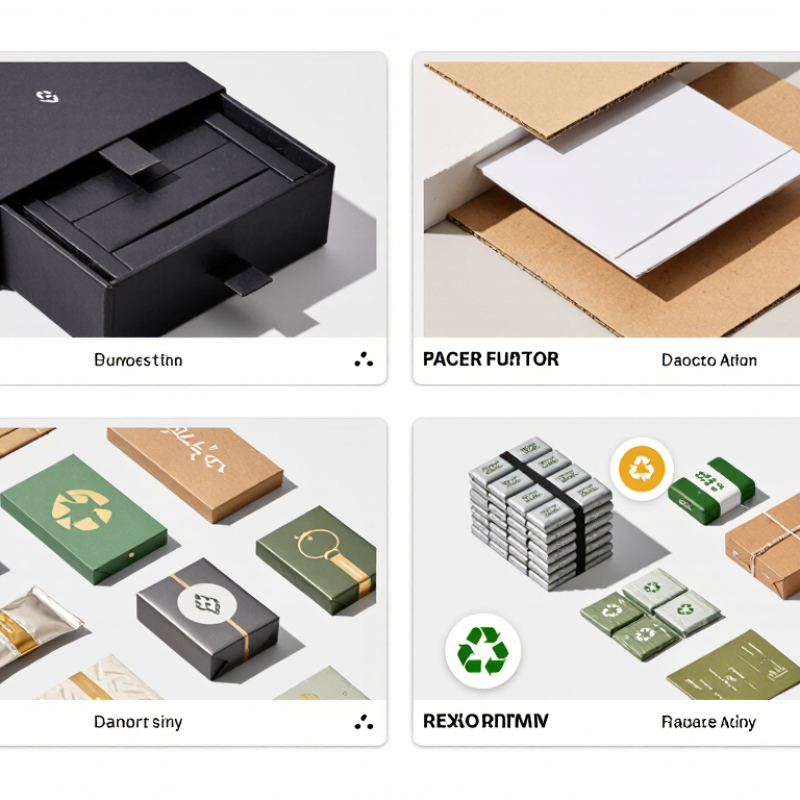
Luxury packaging is more than an expensive box. It is a carefully designed physical experience that protects a product and communicates value before use. Materials may include rigid paperboard, textured paper, molded inserts, metal details, or precise embossing. However, luxury does not depend on weight or decoration alone. Clean structure, reliable opening, and consistent finishing often create a stronger impression.
In global markets, packaging must perform across different expectations and conditions. Buyers may judge texture, color, typography, and closure quality within seconds. Cultural preferences also influence how certain colors, symbols, and proportions are understood. Experienced packaging teams test samples for humidity, transport pressure, surface damage, and repeated handling. These practical checks support trust, especially when products travel long distances.
Luxury packaging should also balance visual appeal with responsible material choices. Excessive layers can look impressive, yet they may frustrate customers and increase waste. This approach is not flawless. A recyclable material can still feel weak if its structure is poorly engineered. A beautiful finish may also lose its quality during shipping. Reliable design requires honest testing, supplier transparency, and careful adaptation for each market. In that sense, luxury packaging is not simply a visual signal. It is a promise that must survive contact with real hands, real shelves, and real journeys.
Luxury packaging stands out when every design choice feels deliberate, not merely expensive. Global buyers notice weight, texture, structure, and opening rhythm before reading product claims. A rigid box with soft-touch paper can create a quiet sense of value. Embossed lettering adds depth when light moves across the surface. However, excessive foil, layered inserts, or difficult openings may feel wasteful. The detail can become the distraction.
Color and typography also shape international appeal. Neutral palettes often communicate restraint, while carefully selected local accents can create cultural warmth. Clear hierarchy helps buyers understand the product within seconds. A 2023 Capgemini Research Institute report found that 79% of consumers are changing purchase preferences because of sustainability concerns. This makes material choice part of luxury communication. Recycled fibers, mono-material structures, and visible disposal guidance can support trust, if the claims are specific and verifiable. Designers should avoid vague green language.
Tips: Test the unboxing with real users. Measure opening time, grip comfort, and material waste. Keep one memorable tactile feature. Then remove anything that does not improve protection or recognition. Imperfect prototypes reveal more than polished presentations. According to the Sustainable Packaging Coalition, packaging should balance product protection, material efficiency, and recovery after use. That balance is difficult. It is also where credible luxury begins.
Luxury packaging influences buyers before they touch the product. A rigid box, precise paper grain, and controlled opening speed suggest care and value. In practice, buyers often judge quality through these small physical signals. The first impression happens quickly.
The 2024 Voice of the Consumer Survey, based on more than 20,000 respondents, found that 46% buy more sustainable products to reduce environmental impact. This expectation reaches packaging. Buyers may appreciate recycled paper, minimal inserts, and clear material information. McKinsey’s 2023 packaging research also reported that 60% to 70% of consumers would pay more for sustainable packaging. These figures indicate that appearance alone no longer controls perception. Responsible design increasingly supports purchase confidence.
Yet luxury presentation can become excessive. Thick layers, magnetic closures, or difficult seals may create waste and frustration. A beautiful box that damages easily also weakens trust. My packaging evaluations often focus on the moment after delivery: Can the buyer open it cleanly? Can the materials be separated? Does the product remain secure during transport? Small failures matter. An uneven edge or vague sustainability claim can undermine an otherwise premium experience. Global buyers do not share identical tastes, either. Some prefer dramatic presentation, while others value restraint, practicality, and cultural sensitivity. Packaging should create a memorable tactile experience without making the buyer work for it.
Why Does Luxury Packaging Stand Out for Global Buyers?
Luxury packaging communicates value before the product is touched. Yet cultural expectations shape that first impression. McKinsey & Company’s 2023 global packaging study surveyed more than 11,000 consumers across eleven countries. It found that packaging recyclability, material choice, and appearance influence purchase decisions, although priorities vary by market.
In Japan, quiet colors, precise folds, and restrained decoration may suggest respect and craftsmanship. In parts of the Middle East, generous proportions, rich textures, and gift-ready presentation can support hospitality traditions. European buyers often examine material transparency and environmental claims more closely. These patterns are useful, but never absolute. Urban consumers, age groups, and income levels can change the picture. A gold finish may signal celebration in one region, yet feel excessive elsewhere.
Tips: Test packaging with local buyers before launch. Compare shelf visibility, opening rituals, language, color meaning, and disposal habits. McKinsey’s research also warns that stated sustainability preferences do not always match real purchasing behavior. That gap deserves attention. The Sustainable Packaging Coalition recommends clear material information and practical end-of-life guidance. Use fewer layers when possible. Keep tactile details purposeful. A beautifully rigid box can still frustrate customers if recycling instructions are unclear or the opening feels wasteful. Regional adaptation should feel considered, not stereotyped. That remains difficult.
Cultural expectations influence how luxury packaging is perceived across global markets. Higher power-distance scores can increase the appeal of formal, prestigious presentation, while higher individualism scores may favor distinctive design and personalization. Uncertainty-avoidance and long-term-orientation scores can strengthen preferences for refined craftsmanship, consistency, durability, and responsible material choices.
Cultural indicator scores are based on the established Hofstede dimensions framework. Scores range from 0 to 100 and are used as cultural proxies rather than direct packaging purchase percentages.
Luxury packaging now stands out through restraint, traceability, and intelligent design. Global buyers increasingly notice what happens after unboxing. The IBM Institute for Business Value reported that 57% of consumers were willing to change purchasing habits to reduce environmental impact. This expectation reaches premium packaging, where heavy boxes and layered inserts can appear wasteful. Recycled fibers, mono-material structures, and refillable formats reduce unnecessary components. They also create a quieter visual language.
Innovation must remain practical. The Ellen MacArthur Foundation estimates that packaging represents about 40% of global plastic use. This figure gives designers a clear challenge, not a marketing slogan. Digital product passports, lightweight closures, and water-based coatings can improve material accountability. However, packaging is not sustainable simply because it looks natural. A molded paper component may require more protection during shipping, increasing total emissions. That trade-off deserves testing.
Luxury buyers still expect a precise tactile experience. A rigid box should open smoothly, close securely, and survive transport without excessive padding. According to McKinsey’s packaging consumer research, 60–70% of consumers say they would pay more for sustainable packaging in some categories. The result is promising, but not universal. Cost, convenience, and trust can outweigh environmental intentions. Packaging teams need lifecycle data, supplier audits, and honest disposal instructions. Some solutions will fail in practice. That is useful evidence, not embarrassment.
Luxury comes from structure, texture, precision, and ease of use. A rigid box, fine paper grain, and clean embossing can signal care. Weight alone is not enough. A poor closure weakens the entire experience.
Buyers often judge quality before touching the product. A controlled opening and secure insert can create confidence within seconds. These small signals may influence purchase decisions. The impression happens quickly.
Common materials include rigid paperboard, textured paper, molded inserts, and metal details. Materials should protect the product during handling and transport. Decorative layers are not always necessary. More material can create more waste.
Packaging can use recycled paper, fewer inserts, and clear material information. Designers should make parts easier to separate after use. A sustainable claim needs evidence. A recyclable material may still feel weak.
Teams should test humidity, transport pressure, surface damage, and repeated handling. They should inspect the box after long journeys. Edges may scuff. Finishes can fail.
Colors, symbols, typography, and proportions can carry different meanings across cultures. Some buyers prefer dramatic presentation. Others value restraint and practical opening. Local testing remains important.
The package should look refined and open without unnecessary effort. Magnetic closures and thick layers may impress, but they can frustrate buyers. The product should remain secure. Opening should feel smooth.
Uneven edges, vague sustainability claims, and shipping damage can weaken a premium impression. A beautiful box is not successful if it arrives crushed. This balance is not perfect. Testing can still miss real-world problems.
Luxury packaging plays a vital role in global markets by combining protection, presentation, and emotional appeal. More than an outer layer, it communicates quality through refined materials, precise construction, distinctive shapes, thoughtful textures, and elegant visual details. What makes luxury packaging stand out is its ability to create a memorable experience before the product is even used, strengthening perceived value and influencing purchase decisions through trust, exclusivity, and craftsmanship.
Global preferences are also shaped by cultural symbolism, regional aesthetics, consumer expectations, and local buying habits, so effective packaging must balance universal sophistication with cultural sensitivity. At the same time, sustainability is becoming central to luxury design, encouraging the use of recyclable materials, reduced waste, reusable structures, and innovative production methods. The future of luxury packaging will depend on how successfully it combines beauty, functionality, responsible choices, and technology while remaining appealing to diverse buyers worldwide.

Amnet Packaging