Packaging is often the first physical experience an online customer has with a brand. In ecommerce, a product may travel through sorting centers, delivery vans, rain, heat, and repeated handling. The right packaging protects fragile items, reduces movement, and helps prevent damaged deliveries. A crushed corner or leaking container can quickly turn a positive purchase into a refund request. Packaging also influences how customers judge quality, care, and professionalism. First impressions matter.
So, what role does packaging play in e commerce success? It connects product protection with customer satisfaction, operational efficiency, brand recognition, and repeat purchasing. A well-designed box can use less material while keeping the item secure. Clear labels can support accurate fulfillment and smoother returns. Practical details matter, such as tear strips, snug inserts, recyclable materials, and packaging that fits through a standard doorway. These choices should reflect real shipping conditions, not only attractive studio photographs. Warehouse experience often reveals problems that design teams miss, including loose products, difficult seals, and excessive filler. Small failures become expensive at scale.
Sustainability deserves careful attention. A package is not automatically responsible because it looks minimal or uses recycled paper. Its full material use, durability, recyclability, and shipping efficiency need evaluation. No package is perfect. Customer expectations also vary by product, region, and delivery method. Testing is essential. Brands can examine damaged-return rates, unboxing feedback, packing time, and material waste before changing their systems. Reliable ecommerce packaging balances protection, cost, convenience, and environmental responsibility. That balance can strengthen trust without making promises the business cannot support.
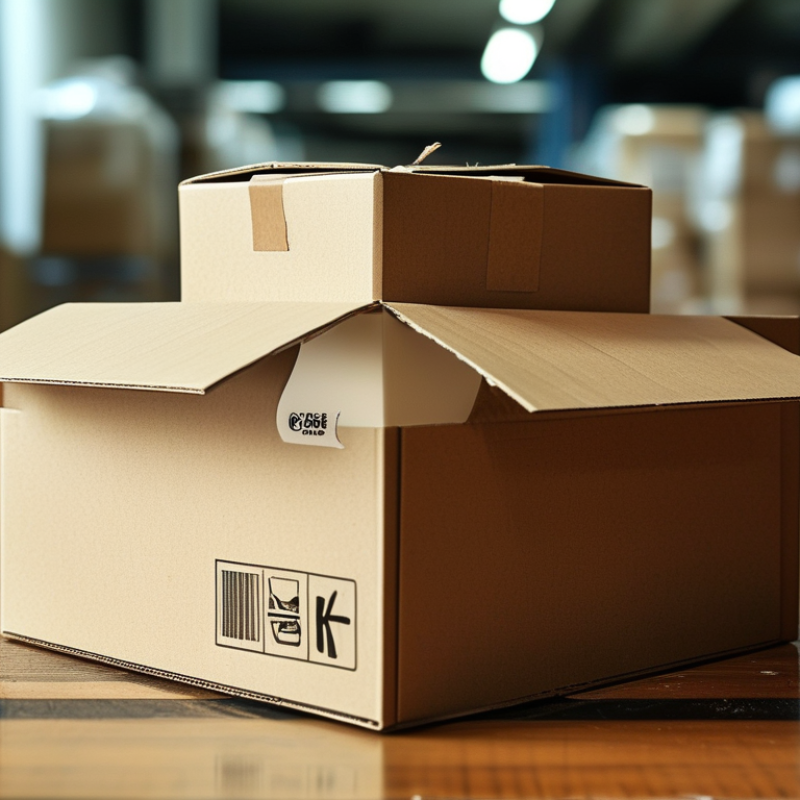
Ecommerce packaging is more than a box around a product. It is the customer’s first physical interaction with an online order. Good packaging protects the item, controls shipping costs, and communicates care. Poor packaging creates damage, waste, and avoidable returns. The 2023 Global Buying Green Report found that 82% of consumers would pay more for sustainable packaging. However, intention does not always become action. Price and convenience still matter.
Packaging also affects environmental performance. The OECD reports that packaging uses about 40% of global plastic demand. This makes material selection important, but lighter is not always better. A thin mailer that causes product damage may create a larger impact through replacement shipping. Fulfillment teams should test packaging with drop tests, vibration checks, and realistic stacking pressure. They should also measure empty space, package weight, damage rates, and return reasons. Small details matter, such as a tear strip that opens cleanly or paper cushioning that stays in place.
Tips: Match the package to the product’s size and fragility. Remove unnecessary layers. Use clear disposal instructions. Track damage for every shipment type. Review packaging after seasonal volume increases. A practical design may look less impressive, but it often performs better. That is worth questioning. According to the Pitney Bowes Parcel Shipping Index, global parcel volume reached about 161 billion parcels in 2022, increasing the importance of efficient, reliable packaging.
Packaging acts as a product’s first shock absorber during storage and delivery. Cartons face compression, vibration, drops, moisture, and sudden temperature changes. A well-fitted box keeps items from shifting when conveyor belts turn sharply. Corrugated inserts protect corners, while sealed seams reduce dust and moisture exposure. Storage also matters. Poorly stacked cartons can collapse before shipment begins. The 2024 Pitney Bowes Parcel Shipping Index recorded 161 billion parcels worldwide in 2023. That volume means products may pass through many handling points before arrival. Small weaknesses become expensive problems.
The National Retail Federation and Appriss Retail reported that U.S. consumers returned approximately 743 billion dollars of merchandise in 2023. Online purchases had a 17.6 percent return rate. Not every return results from damaged packaging, but preventable damage adds pressure to this costly system.
Practical testing should include repeated drops, vibration, compression, and humidity exposure. The International Safe Transit Association recommends structured distribution testing for this reason.
Measure the product after testing, not only the box. A crushed corner may look minor, yet it can expose glass, electronics, or food-contact packaging.
The uncomfortable part is that more material does not always mean better protection. Oversized boxes waste space and may move more violently inside delivery vehicles. Packaging teams should review failures honestly. One test route cannot represent every warehouse or doorstep. Some designs still need improvement.
When customers open an ecommerce order, packaging becomes their first physical interaction with the business. In my fulfillment reviews, small details often shape trust faster than advertising. A crushed corner, loose product, or difficult seal can create immediate doubt. Packaging should protect the item, but it also communicates care, consistency, and professional standards. Clean materials, accurate labels, and a thoughtful opening experience can make customers feel confident about their purchase. That feeling may influence reviews, repeat orders, and recommendations. However, attractive packaging alone cannot repair late delivery or poor product quality.
Tips: Choose the right box size. Add protective padding where movement is likely. Use clear return instructions. Test packages by shaking and dropping them safely. Track damage reports and customer comments. Do not assume “premium” means excessive layers or unnecessary materials.
A practical packaging test should include different products, delivery routes, and storage conditions. Record the package’s weight, opening time, damage rate, and customer response. These details support better decisions than personal preference. I have seen teams overdesign boxes that looked impressive but increased shipping costs and frustrated customers. That mistake is worth admitting. Packaging should feel intentional, not wasteful. It must also remain accessible for older customers and people with limited hand strength. When the outside arrives clean and the inside feels secure, the customer receives more than an item. They receive evidence that the business pays attention.
Sustainable packaging can turn an ordinary delivery into visible proof of responsible ecommerce growth. Customers notice the brown fiber mailer, the snug box, and the absence of unnecessary plastic. That experience can strengthen trust before the product is opened. Small changes matter. Right-sized cartons reduce empty space, lower shipping volume, and prevent products from sliding during transit. Warehouse teams can measure this effect through packaging weight, damage rates, and return reasons.
Material choice requires more than a recycled label. Paper-based packaging may be widely recyclable, but it can lose strength during heavy rain. Compostable materials also need suitable local facilities, which customers may not have nearby. Clear disposal instructions beside simple symbols can reduce confusion at home. Suppliers should provide credible material data, safety documentation, and evidence supporting environmental claims. Local recycling rules vary. Vague claims do not build lasting confidence.
Packaging supports growth when it protects an order without creating a larger waste problem. Less damage means fewer replacements, fewer delivery emissions, and less frustration for shoppers. However, removing too much cushioning can backfire with glass, electronics, or fragile goods. That tradeoff deserves honest testing. A small pilot can compare box sizes, packing time, breakage, and customer feedback. Results may expose an uncomfortable truth: the cheapest material is not always the lowest-impact choice. Even sustainable options consume energy, water, and transport resources. A damaged parcel tells customers more than a printed claim.
Packaging affects ecommerce success long before a customer opens the parcel. It protects products, controls shipping costs, and shapes the first physical impression. The Pitney Bowes Parcel Shipping Index reported 161.8 billion parcels worldwide in 2022. Small design choices now operate at enormous scale. A box that is only two centimetres too large may add filler, dimensional weight, and unnecessary handling.
Choose packaging by testing real shipping conditions. Measure drop resistance, compression strength, moisture exposure, and product movement inside the box. A lightweight mailer may suit clothing, but fragile ceramics need rigid protection and internal cushioning. The U.S. Environmental Protection Agency reported 82.2 million tons of containers and packaging waste in 2018. That figure is dated, but the design lesson remains clear: less material usually creates less waste. However, using too little protection can cause returns, replacements, and customer distrust. Cheaper is not always cheaper.
Tips: Start with three package sizes. Keep empty space below two inches when practical. Use recycled-content materials where performance allows. Check the total cost, including damage claims and return shipping. Ask customers whether the opening feels excessive. Their feedback may challenge your assumptions. McKinsey’s 2023 global packaging survey found that consumers generally favor paper and cardboard, yet preferences vary by market and product type. Appeal should follow function, not replace it. A clean kraft box, tight folds, and a brief care card can feel thoughtful without adding costly decoration. Test seasonal humidity and rough handling, too. Packaging decisions deserve revision.
| Packaging Type | Typical Product Fit | Indicative Unit Cost* | Protection Level | Dimensional Weight Risk | Sustainability Profile | Customer Appeal | Best Practical Use |
|---|---|---|---|---|---|---|---|
| Corrugated Shipping Box | Books, electronics, home goods, and mixed-item orders | $0.35–$2.50Varies by size, board grade, and order volume | ★★★★★Strong crush and stacking resistance | MediumCan increase shipping charges when oversized | HighWidely recyclable; avoid unnecessary void fill | ★★★★☆Supports inserts, branded tape, and printed designs | Use when product protection and shipment consolidation are priorities |
| Padded Mailer | Apparel, accessories, small household items, and non-fragile goods | $0.15–$1.20Paper and plastic versions have different costs | ★★★☆☆Good abrasion protection and limited cushioning | LowLightweight and usually close-fitting | Medium to highPaper versions are easier to recycle than mixed-material mailers | ★★★☆☆Clean presentation with limited decoration space | Use for flexible or impact-tolerant products that do not need a rigid box |
| Rigid Mailer Box | Cosmetics, subscription products, premium accessories, and giftable items | $0.60–$3.50Higher cost is linked to rigid construction and finishing | ★★★★☆Better shape retention than standard mailers | Low to mediumEfficient when dimensions closely match the product | HighPaperboard formats can often enter standard recycling streams | ★★★★★Strong unboxing potential and shelf-like presentation | Use when perceived value and presentation influence repeat purchases |
| Double-Wall Corrugated Box | Heavy, fragile, sharp-edged, or high-value products | $1.00–$5.00Material use and stronger construction increase cost | ★★★★★High resistance to compression and handling damage | Medium to highAdditional board thickness adds weight and volume | HighCorrugated fiber is commonly recyclable where local facilities accept it | ★★★☆☆Functional rather than premium unless customized | Use when avoiding damage, returns, and replacement shipments is more important than minimizing package weight |
| Custom-Fit Box with Paper Void Fill | Fragile products, kits, and orders with multiple components | $0.80–$4.00Includes a closer-fitting box and protective paper materials | ★★★★★Reduces movement and cushions products during transit | Low to mediumBetter fit can reduce unused space and dimensional weight | HighPaper-based protection is generally easier to sort and recycle | ★★★★☆Neat presentation with a deliberate opening experience | Use for fragile products where damage prevention and material efficiency must work together |
| Reusable Fabric or Returnable Mailer | Frequent-return categories, rental goods, and closed-loop delivery programs | $2.00–$8.00Economics improve when the package completes multiple cycles | ★★★☆☆Protection depends on the inner product packaging | LowTypically lightweight and flexible | Potentially very highEnvironmental benefit depends on return rate, cleaning, and reuse cycles | ★★★★☆Can communicate convenience and sustainability | Use only where a reliable collection and reuse process is available |
| Decision guide: Choose the smallest package that safely protects the product, keeps movement low, limits dimensional weight, and matches the customer’s expectations. The cost ranges are indicative per-package estimates in U.S. dollars for common ecommerce formats; actual prices vary by material, size, printing, quantity, and supplier. | |||||||
It includes the box, mailer, cushioning, labels, and opening experience. It protects products and controls shipping costs. More than a box.
Packaging is often the customer’s first physical contact with a purchase. Strong packaging can reduce damage, returns, and replacement deliveries. A torn parcel can quickly weaken trust.
Match the package closely to the product’s size and fragility. A snug box prevents movement and reduces empty space. Oversized boxes waste material and shipping volume.
No. A thin mailer may tear and cause product damage. Replacement shipping can create a larger environmental impact. Lighter is not always better.
Teams should use drop tests, vibration checks, and realistic stacking pressure. They should record damage rates and return reasons. Real-world testing exposes weak designs.
Not always. Paper may weaken during heavy rain, while compostable packaging needs suitable local facilities. Material claims require evidence and clear disposal instructions.
Use fewer layers and provide simple recycling or disposal guidance. Clear symbols can help customers sort materials correctly. Local rules still vary.
Reliable packaging can reduce breakage, replacements, and customer frustration. It may also show practical environmental responsibility. The cheapest material is not always the lowest-impact choice.
Track package weight, empty space, packing time, damage rates, and return reasons. Review results after seasonal volume increases. Data may reveal uncomfortable tradeoffs.
They should reduce unnecessary cushioning, not essential protection. Glass and electronics may need stronger support. Sometimes, less causes more damage.
Ecommerce packaging is more than a container for shipping products; it is an essential part of the customer journey. It helps protect items from damage during storage, handling, and delivery while ensuring that orders arrive clean, secure, and in good condition. The design, materials, and functionality of a package can also influence customer satisfaction and shape how shoppers perceive a business. This explains what role does packaging play in e commerce success: it supports product safety, builds trust, and creates a positive unboxing experience that can encourage repeat purchases.
Effective packaging should also reflect growing environmental expectations. Using recyclable, reusable, lightweight, or right-sized materials can reduce waste and transportation costs while demonstrating responsible business practices. However, sustainability should be balanced with product protection, budget requirements, and visual appeal. By carefully selecting packaging that is practical, attractive, durable, and efficient, ecommerce businesses can improve operational performance, strengthen customer relationships, and support long-term growth.

Amnet Packaging