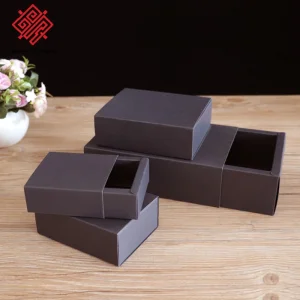
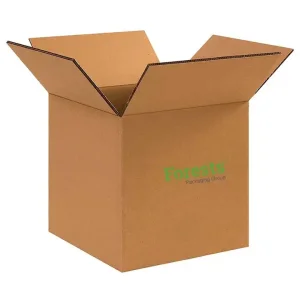
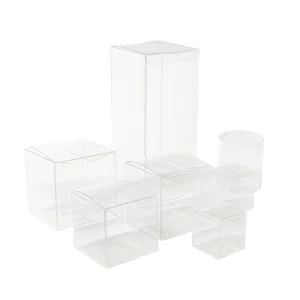
Highly tailored structural solutions deployed across major US logistics and retail networks.
The domestic industrial packaging landscape in the United States is characterized by high demand driven by the e-commerce sector, complex supply network dependencies, and strict regulatory standards. Geographically centered around key corridors in the Midwest (such as the Ohio River Valley, Illinois, and Wisconsin), the South (Georgia and Texas), and California, local manufacturers face unique operational pressures. The US paperboard and folding carton manufacturing sectors are highly consolidated, dominated by capital-intensive, multi-billion-dollar conglomerates. While this consolidation offers structural stability, it often leads to limited agility for emerging brands requiring customizable, low-to-medium volume, high-finish retail packaging solutions.
US packaging factories are highly optimized for structural, high-volume shipping solutions (such as standardized C-flute corrugated shipper containers and high-speed folding cartons). However, local manufacturing models run into major financial barriers when handling intricate customization requests. Premium custom elements—including magnetic closures, debossing, foil stamping, and double-sided multi-color flexographic printing—require high manual assembly setup and tooling costs. With US labor costs steadily rising, domestic factories often enforce high Minimum Order Quantities (MOQs), sometimes exceeding 10,000 to 50,000 units. This makes localized production of premium rigid boxes or customized luxury cosmetics paper boxes cost-prohibitive for small and mid-sized enterprises (SMEs).
Furthermore, shipping costs within North America present challenges. Intermodal freight rates, LTL (less-than-truckload) shipping fees, and driver shortages make regional shipping over long distances inside the US highly inefficient. Consequently, sourcing from factories that maintain strategic coastal warehouse links and robust shipping routes can offer a cost-effective alternative for brand owners.
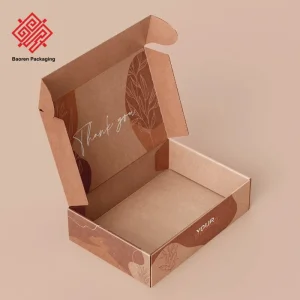
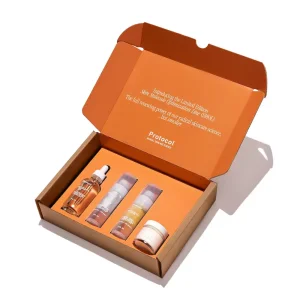
Direct-to-Consumer brands in cities like Austin, New York, and Los Angeles need packaging that protects goods while creating an engaging unboxing experience. Solutions like double-sided printed corrugated airplane boxes protect products in transit while showcasing brand imagery inside the box.
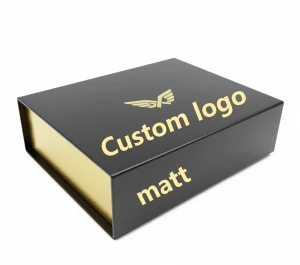
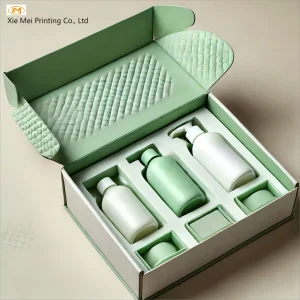
High-end cosmetic markets demand precise packaging. Using solid bleached sulfate (SBS) board, custom gold foil, and matte soft-touch lamination, custom rigid packaging helps brands stand out on shelves at major retailers like Sephora and Ulta.
For fresh produce networks in California's Central Valley or Florida's citrus hubs, structural integrity is key. Water-resistant coatings, moisture-resistant starch adhesives, and heavy-duty fluting keep structural packaging strong in cold-chain logistics.
Each vertical industry has specific demands that extend beyond visual appeal. For example, medical and pharmaceutical packaging requires cleanroom-compatible processes to avoid microscopic debris, whereas gourmet food boxes demand FDA-approved, grease-barrier coatings. Achieving these standards requires a deep understanding of materials science and advanced printing technology.
The global shift toward sustainability and waste reduction is transforming packaging production. Major companies in the United States and international markets are moving away from traditional single-use plastics and toward engineered cellulose fibers. This transition relies on three primary technical areas:
A key partner in this modern transition is Wenzhou Amnet Packaging Co., Ltd., a professional packaging manufacturer specializing in custom retail boxes, rigid setups, and sustainable food packaging. By using advanced German Heidelberg offset presses and computerized corrugation systems, Amnet Packaging ensures precision, color consistency, and durability for clients worldwide.
Take a look inside our high-tech printing, cutting, and automated folding production lines.
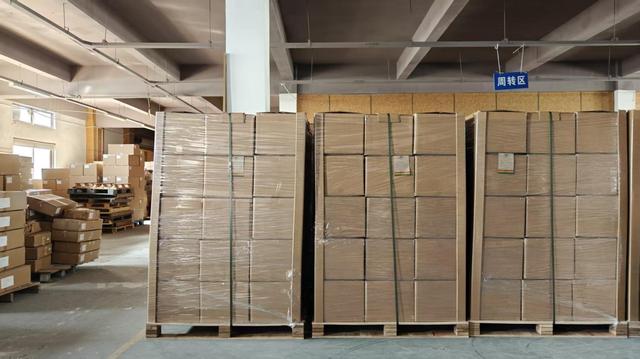
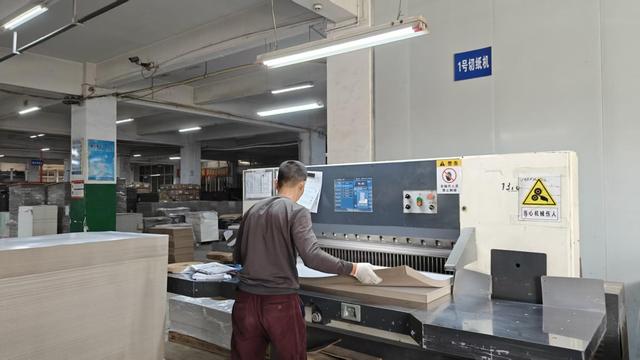
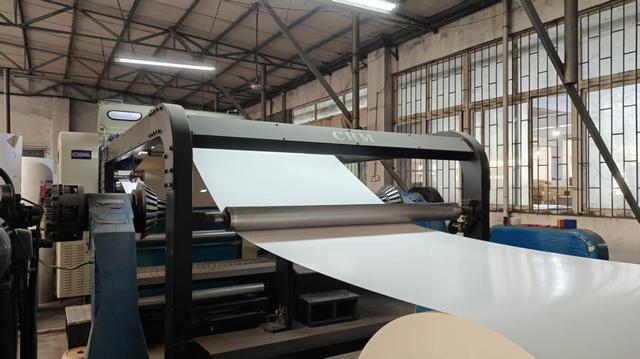
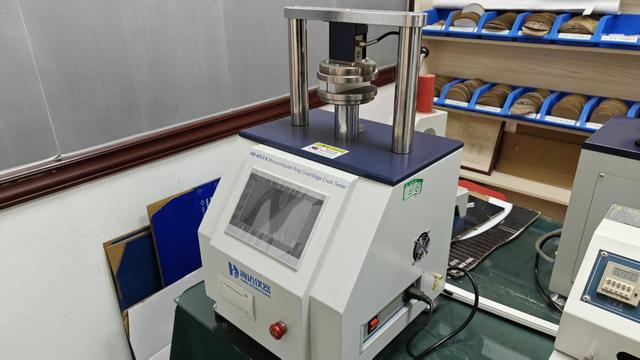
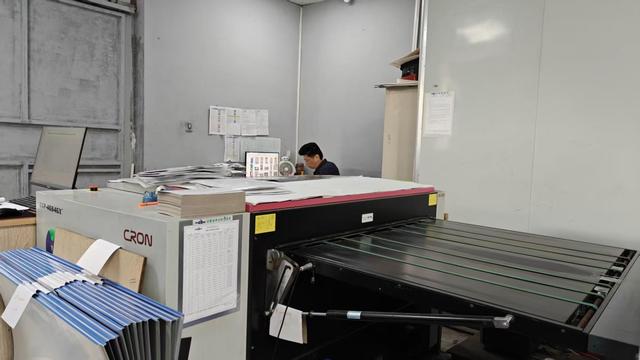
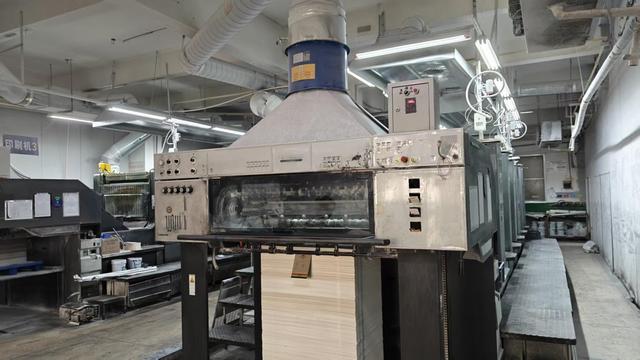
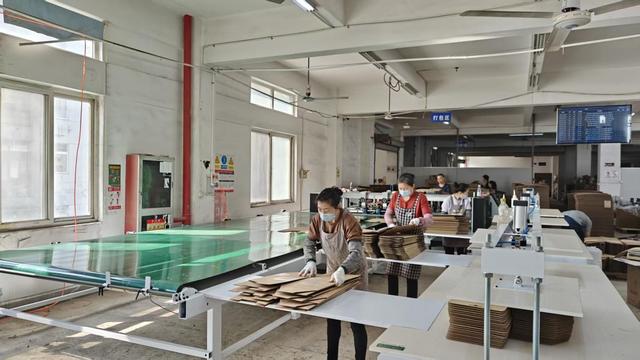
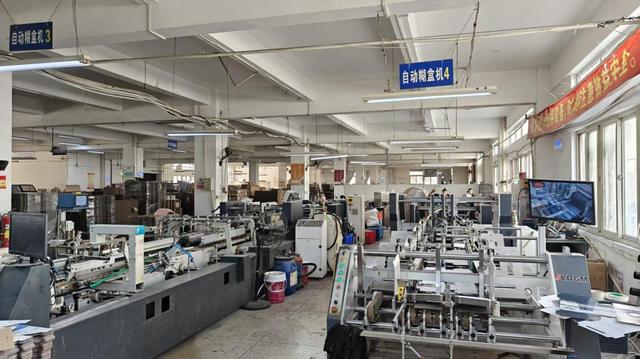
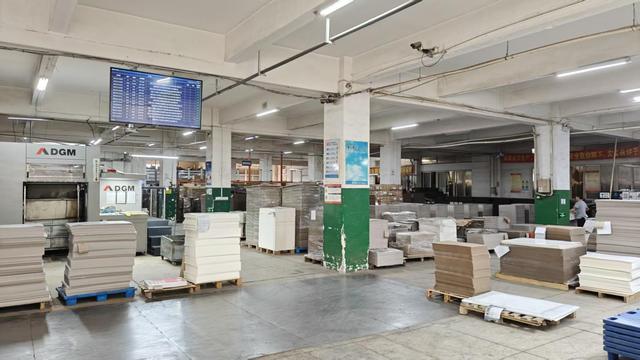
Amid fluctuating shipping costs and global trade shifts, supply chain resilience is a key focus for procurement officers. While domestic sourcing has the advantage of shorter transit times, utilizing direct-from-factory production in China—when supported by structured shipping and logistics management—offers significant cost advantages, especially for complex designs.
Wenzhou Amnet Packaging Co., Ltd. addresses typical supply chain challenges through localized solutions:
Explore our wide range of custom-printed packaging options for retail, cosmetics, food, and industrial applications.
US imports of paperboard packaging are subject to strict regulatory standards. These regulations cover environmental sustainability as well as consumer safety and chemical exposure limits:
Amnet Packaging coordinates with third-party testing laboratories (including SGS, Intertek, and TÜV Rheinland) to ensure all customized materials comply with US and international standards, offering reliable documentation to our clients.
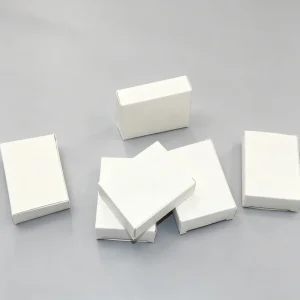
SBS (Solid Bleached Sulfate): Made from chemically bleached virgin wood pulp. It features a bright white surface suitable for high-resolution graphics, making it ideal for cosmetics and luxury products.
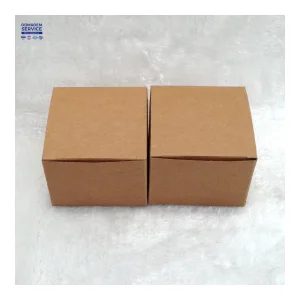
Kraft Paperboard: Made from unbleached natural wood fibers. It offers high tensile strength and a natural, eco-friendly look, making it popular for organic cosmetics and durable mailing boxes.
We work with experienced international freight forwarders to manage import customs entry processes, including HTS classifications (typically Chapter 48 for paperboard). We offer Delivery Duty Paid (DDP) terms, handling all customs clearance and shipping directly to your specified US warehouse or Amazon FBA center.
Our standard MOQ ranges from 1,000 to 3,000 units depending on the box type. For complex rigid boxes, we can accommodate smaller initial test runs to help brands evaluate market response.
We use the Pantone Matching System (PMS) alongside X-Rite spectrophotometer calibration. During printing, our press operators perform regular densitometer tests to ensure consistent color quality across production runs.
Yes, we offer FSC-certified paperboard and corrugated options. Clients can display the FSC certification logo on their custom packaging to highlight their commitment to responsible sourcing.
 Amnet Packaging